


A couple of years ago, I wrote an article about leadership and opened it by admitting that nobody needs another one about leadership. I am
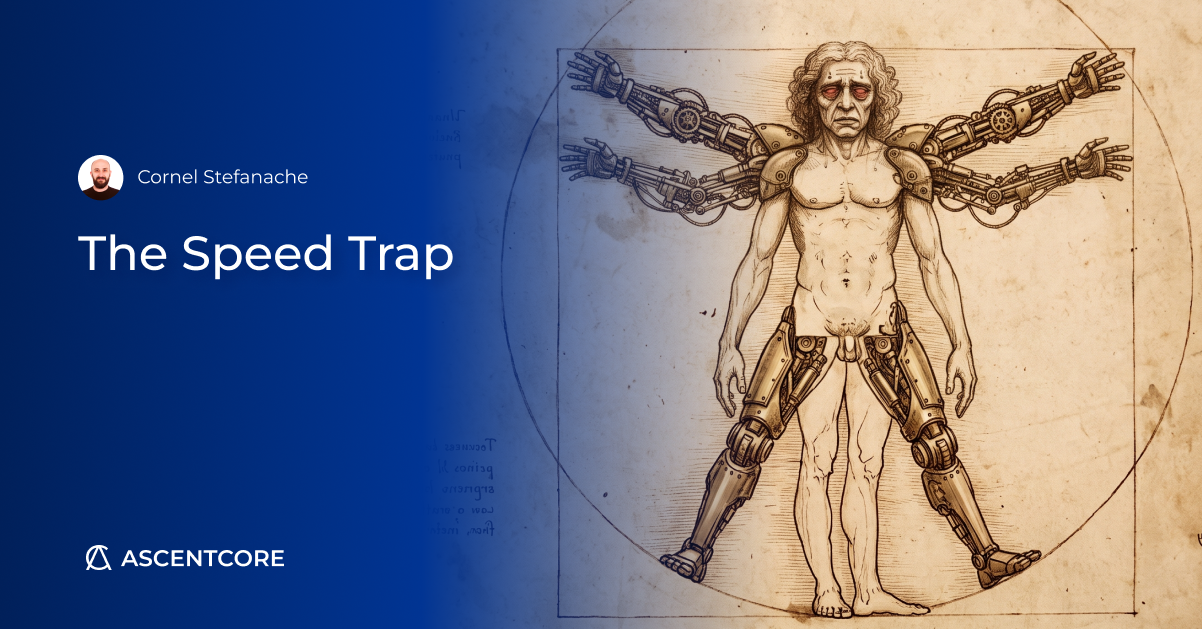
“The machine made writing code almost free, and in doing so it made everything that is not writing code the entire job.” The Afternoon That

“The agent built exactly what was specified, which is how everyone found out that nobody had specified the right thing” The Perfect Application Nobody Could

Would you like to see all of your AI initiatives, their workflows, and their tools under one fully auditable and traceable view? Every AI initiative
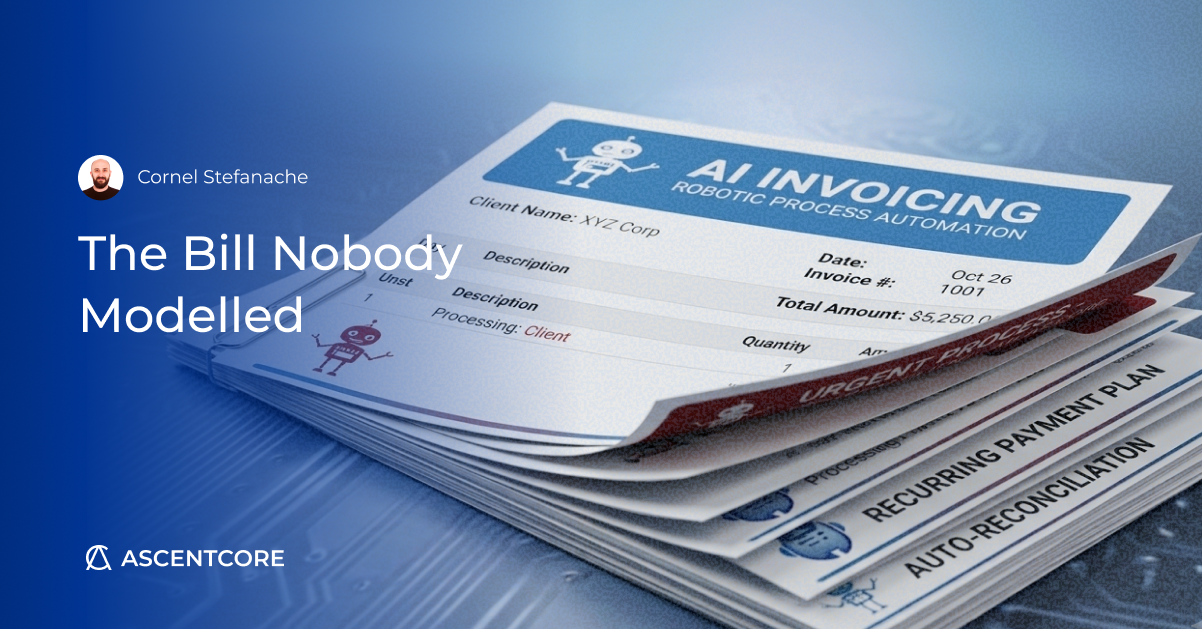
“The future of enterprise AI will not belong to the smartest agents running the most expensive loops, but to the systems disciplined enough to know

“A word that names everything from a chatbot reply to a swarm of self-directing systems has stopped naming anything at all, and the cost
A couple of years ago, I wrote an article about leadership and opened it by admitting that nobody needs another one about leadership. I am
“The machine made writing code almost free, and in doing so it made everything that is not writing code the entire job.” The Afternoon That
“The agent built exactly what was specified, which is how everyone found out that nobody had specified the right thing” The Perfect Application Nobody Could
Would you like to see all of your AI initiatives, their workflows, and their tools under one fully auditable and traceable view? Every AI initiative
“The future of enterprise AI will not belong to the smartest agents running the most expensive loops, but to the systems disciplined enough to know
“A word that names everything from a chatbot reply to a swarm of self-directing systems has stopped naming anything at all, and the cost
A couple of years ago, I wrote an article about leadership and opened it by admitting that nobody needs another one about leadership. I am
“The machine made writing code almost free, and in doing so it made everything that is not writing code the entire job.” The Afternoon That
“The agent built exactly what was specified, which is how everyone found out that nobody had specified the right thing” The Perfect Application Nobody Could
Would you like to see all of your AI initiatives, their workflows, and their tools under one fully auditable and traceable view? Every AI initiative
“The future of enterprise AI will not belong to the smartest agents running the most expensive loops, but to the systems disciplined enough to know
“A word that names everything from a chatbot reply to a swarm of self-directing systems has stopped naming anything at all, and the cost